
Last updated on January 25th, 2025 at 10:38 pm
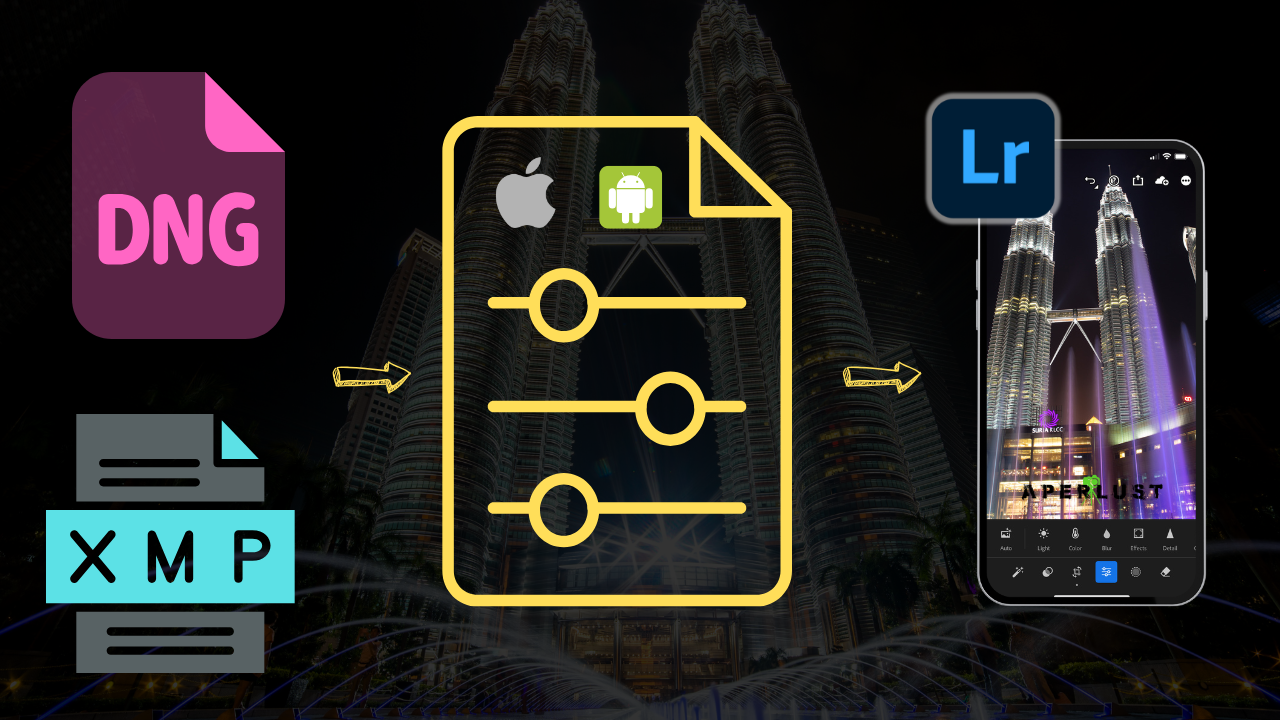
With the advancements of smartphone cameras and photography app technology such as Lightroom Mobile, making your photos pop on the go is easier. It’s become even more convenient due to presets and filters. Do you have some free presets, or purchased some from Etsy? In this guide, we’ll go over installing XMP presets on your Android phone and DNG presets on your iPhone.
If you already have XMP Lightroom presets in ZIP format and an Adobe Creative Cloud subscription, then you may want to see my guide on adding Lightroom Presets to your desktop PC via cloud syncing. It’s a bit easier, especially for iPhone users with the cumbersome DNG preset installation process.
What You’ll Need:
- Lightroom Mobile for Android or iOS (free version is fine)
- Lightroom preset file(s) in XMP or DNG format
- A curiosity to wander the world and leave the world a better place than how you found it ☺️
If you don’t already have Lightroom presets, then you can download mine for free.
You’ll be able to download my presets to your computer or mobile device. They come in XMP file format and are compressed into one ZIP file. They’re available through Dropbox. When you download them, make sure to download the entire ZIP file and not each XMP file individually. This will save you time. The DNG presets are also available for iPhone.

Related:
How to Install Presets in Lightroom Mobile without a Desktop Computer
Many photographers don’t have a Creative Cloud Membership, so I’ll teach you how to install presets in Lightroom Mobile without it. If you have free presets or even got them from Etsy, the below installation steps will work, including on Android tablets and iPads.
How to Install Lightroom XMP Presets on your Android Mobile Device
For Android users, such as owners of the Samsung Galaxy S series or Google Pixel, installing the presets on your Lightroom app is straightforward. There is no requirement for a desktop or a laptop, and you can install an entire zipped file of XMP presets.
To install presets on Android, follow these steps:
1. Open the Lightroom App on your Android device.
2. Go to the Edit settings by choosing any photo.
3. Click on Presets.

4. Click on the vertical ellipsis to open the preset settings. The ellipsis may be on the top-right on different LR mobile versions.

5. Click on Import Presets.

6. Choose your preset file. The files should be a compressed ZIP file package or individual XMP files.

7. Now, your preset will be available in Lightroom for use.

If you downloaded my presets to your Android Dropbox app, then you’ll need to export the presets and save them locally on your mobile device. When you’re installing your presets, the file location will usually be in your Downloads or may be viewable in the recent files tab.
You also don’t have to unzip the compressed file. You can install the entire ZIP package in one try.
How to Install Lightroom Mobile DNG Presets on your iPhone
Unfortunately, Lightroom does not natively support preset installation without a desktop or laptop and an Adobe CC plan. This is a real bummer. Right now, it’s a waiting game until Adobe adds this feature to iOS devices. It’s been like this for years, so I assume it’s a computer science problem at this time.
One option is to use a free trial of Creative Cloud and take advantage of its syncing feature. Adobe periodically offers free 7 and 30-day trials. But this option is ineffective if you want to install more presets at a later date.
In the meantime, there is another more complicated way of adding Lightroom presets to your iPhone. I don’t recommend it because it’s cumbersome. But you can install them without a computer.
But I’ll let you know how to do it to help you save some money.
The process works a little bit like this.
You download a DNG image that already has the preset applied to it. You add the DNG image to your Lightroom app and then save its edit settings as a preset.
DNG files are Adobe’s lossless RAW image files. They are beneficial because they retain more image data than a JPEG and usually take up less digital storage space than regular RAW files like Canon’s CR3 file or Nikon’s NEF file.
It seems simple, but this method becomes a hassle, as you’ll see.
Furthermore, DNG files take up more digital storage space than a typical Lightroom XMP preset file or ZIP package of presets. For example, one of my ZIP preset packages has a size of 11 kilobytes and includes 11 presets. On the other hand, the DNG file I’m using in the tutorial has a size of 2.1 megabytes and one 1 preset—that’s nearly 200 times the size of the ZIP package. However, you can delete the DNG file after saving it as a preset.
The next problem is you have to install each preset individually. I guess iPhone users are used to things like this. Thanks, Apple.
The first thing you need to do is download the DNG presets. I assume you have them if you are reading this.
Once you have the DNG files downloaded to your iPhone or iPad, follow these steps:
1. Open the Lightroom app.
2. Click on the add photos icon.

3. Locate and select your DNG files. It may be in your Camera Roll or My Files.
4. Once the DNG files are selected, click Add.
5. Now open one of the DNG images in Lightroom as if you were going to edit them.
6. Click on the ellipsis on the top-right corner.
7. Click on Create Preset.

8. Name your preset and assign it to a group.

9. You can usually leave the default edit tools selected as is.
10. Click on the confirm checkmark.
You’ll now see the preset available in your Lightroom Mobile app.
Another option to apply the DNG presets to Lightroom Mobile is by copying and pasting the settings. The problem with this is you’ll have to do it every time you want to apply it. It’s better to save the DNG image settings as a preset.
Best Practice When Using Presets in Lightroom Mobile
Lightroom’s current preset file format is XMP. This file format was introduced in 2018. The previous preset file format was LRTEMPLATE. If you’re planning on downloading new presets, make sure they are in the XMP format and not the LRTEMPLATE. You may run into compatibility issues with LRTEMPLATE or may need to convert them to XMP in Lightroom Classic.
Presets can save quite a bit of time for mobile photographers. However, they can’t perform magic by making every image astounding.
Presets work best on well-exposed photos.
Each preset applies differently to each photo. This is due to images having different levels of brightness, contrast, saturation, etc.
The best way to use the presets is to apply them first because you don’t want them to override any of your previous adjustments.
After you apply the preset, you can start working with the basic light adjustments like exposure, highlights, and shadows and edit from there.
Final Thoughts
Using presets to save time is fine, and saving time is always good for business. However, if you’re looking to grow your brand or small business, you need to learn the fundamentals of Lightroom and how certain image edit settings work.
After gaining a decent understanding of Lightroom, you’ll be able to create your own presets and not rely on a lazy travel photographer like me.
This is super helpful! More helpful than any other blog I’ve seen. So for mobile on apple devices, the ONLY way to get xmp files on there is by going the roundabout way from CC?
Hi, that’s correct.
Hello, I got a bundle of presets, but i’m having a hard time downloading the presets into lightroom app. I have Android.