

Last updated on December 29th, 2024 at 07:48 pm
Figuring out what you can and can’t pack when traveling can feel overwhelming, especially if you’re new to flying.
One common question travelers ask is, “Can I pack food in my checked luggage?” The short answer is yes—you can.
However, there are rules, logistics, and potential challenges to keep in mind before you do.
Consider this your go-to guide for packing food in your checked luggage. Whether you’re bringing snacks or specialty items or planning to transport a mini haul of your favorite foods, this post breaks down everything you need to know, including what’s allowed, what’s not, and how to do it right.
Consider this your go-to guide for packing food in your checked luggage. Whether you’re bringing snacks, specialty items, or planning to transport a mini haul of your favorite foods, this post breaks down everything you need to know, including what’s allowed, what’s not, and how to do it right.
Understanding Airport Security Guidelines
Before packing anything in your luggage, it’s essential to know the rules set by airport security authorities.
If you’re flying within or departing from the US, the Transportation Security Administration (TSA) oversees these regulations.
For flights originating from or traveling to Canada, these rules fall under the Canadian Air Transport Security Authority (CATSA).
Food and Checked Luggage Rules
Most foods are allowed for checked luggage. This includes solid items like bread, candy, crackers, meat (if frozen or vacuum-sealed), and drinks.
However, some things get tricky, especially when liquids or gels are involved.

Allowed Foods in Checked Luggage:
- Bread and Pasta: These non-perishable items can be packed in your checked luggage without any issues. Just make sure to put them in a bag or container that will prevent them from getting squished.
- Canned Foods: Canned fruits, vegetables, soups, and sauces are all great options for packing in your checked luggage. Just make sure that the cans are sealed and free of any dents or damage.
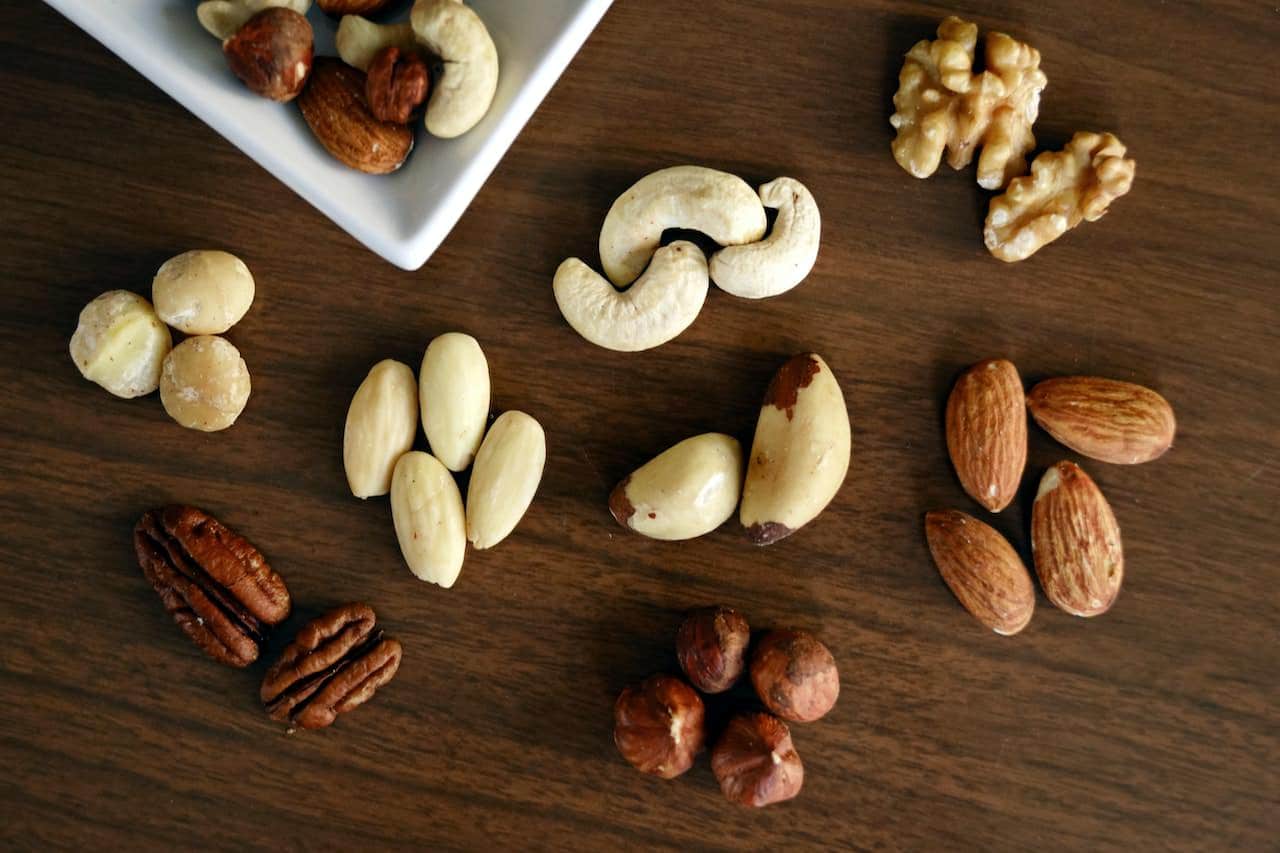
- Dried Foods: Jerky, dried fruit, granola, and nuts are all great options for packing in your checked luggage. Again, just make sure that they are packed in a way that will prevent them from getting crushed.
- Canned Fish and Meat: Canned tuna, salmon, chicken, and turkey are all great options for packing in your checked luggage. As with other canned foods, just make sure that the cans are sealed and free of any dents or damage.
- Snacks: Chips, crackers, cereal bars, granola bars, and nuts are all great options for packing.
- Fresh Fruits and Vegetables: These items may be banned or will need to be declared in international destinations.
- Fresh Dairy, Meats, Poultry, and Seafood: These items may be banned or need to be declared in international destinations. They should also be refrigerated.
- Plants and Seeds: These items may be banned or need to be declared in international destinations.
- Sauces and Oils: These items could potentially leak or spill, so make sure to double-bag them just to be safe. Otherwise, they are safe to put in your checked luggage.
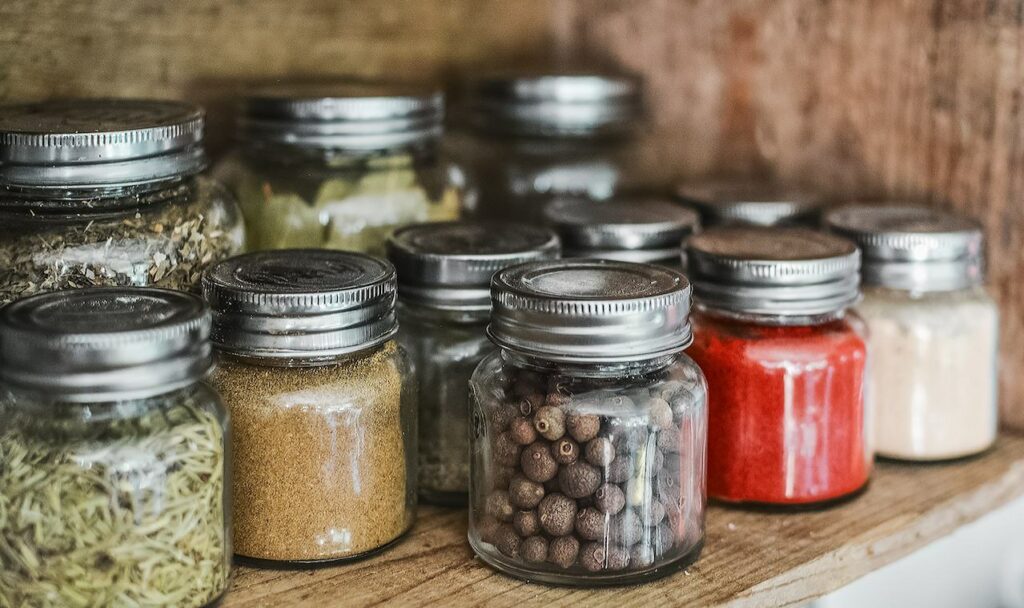
- Herbs and Spices: These items are safe to put in your checked luggage. Just make sure that they are packed in a way that will prevent them from spilling.
- Baked Goods: These items are safe to put in your checked luggage; just make sure to pack them in an airtight container to prevent them from getting squished and spoiling.
Restricted Foods:
- Liquids or gel foods exceeding 3.4 oz (100 ml) if not correctly sealed or frozen. This includes soups, sauces, peanut butter, and Nutella in their non-solid forms.
Hot Tip: While airport authorities are relatively permissive with food in checked luggage, these items may still need to comply with additional restrictions while flying internationally (more on this later).
Packing Liquids, Gels, and Semi-Solids
If you’re transporting liquid (wine, beer, etc.) or semi-solid foods (like peanut butter), they can go in your checked luggage, provided they are sealed securely and fit local regulations.
However, leaking containers can lead to sticky situations. Double-bag these items or place them in hard-sided containers for added peace of mind. Also, know that alcoholic beverages must meet specific alcohol-content limits.
Do your research ahead of time—some items could be confiscated or delayed if they don’t meet particular laws.
Types of Foods Ideal for Packing
Traveling with food is easier when you pack items that are best suited for transport. Here’s a run-through of what you can safely and realistically pack in your checked luggage:
Non-Liquid, Non-Perishable Items: These foods travel the easiest. Think of snacks that don’t need refrigeration or cooking.
- Trail mixes and nuts
- Dry cereal and oatmeal packets
- Crackers and cookies
- Hard candies or chocolate bars
Sealed or Vacuum-Packed Foods: Vacuum-sealed meats or cheeses are a traveler’s best friend. They last longer without refrigeration and are less likely to cause contamination or spoilage than loosely packed perishables.
Foods with Long Shelf Life: Items like processed snacks, pasta, or ready-to-eat meals in sealed packaging are great options for packing on longer journeys.
Home Tips for Packing:
- Use hard-sided containers to prevent crushing.
- Line containers with zippered plastic bags for additional protection.
- Add a small note identifying food products; this can speed up any additional security checks.
Bonus Suggestion: Want your wine to arrive intact? Use specialized inflatable bottle protectors designed for travel. It’s easier than thinking through the nightmare of wine-soaked shirts.
Food Items to Avoid Packing
While most food makes it through checked luggage security without issues, here’s what you should leave at home (or eat before boarding!).
Perishables That Spoil Easily: Avoid bringing anything that needs constant refrigeration if you aren’t armed with ice packs. Fresh dairy, unfrozen meat, and soft cheeses can quickly spoil after hours or even days in transit.
Anything Not Packaged Securely: Don’t throw loose, spillable foods like sauces, soups, or spreads into your luggage haphazardly. These items can break open during turbulence and may trigger inspections.
Be Cautious with Fruits and Vegetables: Traveling internationally? Produce is often subject to heavy restrictions depending on your destination. Some fresh fruits, seeds, and vegetables carry risks of spreading pests, resulting in fines if undeclared.
The general rule of thumb? If it smells, spoils, or weeps liquid, pack it only if you’re confident it’ll arrive safely in checked luggage.
Special Considerations for International Travel
Flying internationally adds complexity to what you can pack in your luggage. Customs regulations vary from country to country, especially for foods considered biohazards.
Know Before You Go
Check import rules before departing on your trip:
- Meat from specific locations may carry diseases such as E. coli and BSE (bovine spongiform encephalitis).
- Fruits and seeds may host invasive pests that are harmful to agriculture in the destination.

Some countries simply ban all food items unless commercially packaged and labeled. Declare all foods at customs if you’re unsure. Honesty is better than a customs fine (and confiscation of your items).
Travel Example
If you’re traveling from the US to Australia, peanut butter in a sealed jar is okay. Bringing fresh apples from your local orchard? Definitely not—it’s likely considered a biosecurity hazard.
Pro tip for international travelers? When in doubt, declare it all, even if it seems unnecessary.
Frequently Asked Questions
Can I pack frozen food in my checked luggage?
Yes, you can put frozen food in your checked luggage. It can be a great way to save money and time, but it can also be a hassle to transport.
It’s important to make sure that your food is completely frozen before packing it in your luggage. Otherwise, it could thaw during transit and become unsafe to eat.
You’ll need to pack the food in an insulated container in order to keep it cold. A Styrofoam cooler or thermal bag should do the trick.
Keep in mind that airport security may want to inspect your frozen food, so be prepared to open your cooler or bag for inspection.
Can I bring food on a plane for an international flight?
Yes, you can. You can put food in your checked or cabin luggage for international departures. However, some foods may be banned or will need to be declared to customs.
Here are a few tips for packing food for an international flight:
-Canned or dried fruits and vegetables are great options since they won’t spoil during the flight.
-Pack snacks that are high in protein to help keep you feeling full during the long flight. Nuts, peanut butter (max of 100 ml in carry-on), and jerky are all good choices.
-If you want to pack something hot to eat, opt for a thermos of soup or chili and place it in your checked suitcase.
-Bring along some healthy snacks like granola bars or trail mix to help you resist the temptation of unhealthy airplane food.
Can I pack non-perishable food in my checked luggage?
TSA and airport guidelines state that you can bring non-perishable food items in your checked or carry-on luggage as long as they are not liquids or gels.
This means that items like granola bars, dried fruit, and crackers are all fair game. However, it’s always best to err on the side of caution and pack only what you need, as bringing too much food could attract unwanted attention from security.